Where tiled streets climb toward castle walls, yellow trams rattle past pastel buildings, and the Tagus River catches the evening light.
Lisbon is one of our favorite European destinations, and we never tire of visiting, whether for a few days or a few weeks. On our first visit, we were immediately charmed by the cobblestone streets, the yellow trams, the gorgeous viewpoints, and the custard tarts.
With each return trip, we fell deeper in love as we discovered the fado houses, old neighborhoods, riverfront walks, creative corners, and tiny restaurants where lunch often stretched longer than planned.
Portugal’s capital is easy to love but not always easy on the legs. The city is built across steep hills, which means the best things to do in Lisbon often come with stairs, slopes, or tram rides. The reward is always worth it: red rooftops, blue tiles, castle views, and food you will talk about long after the trip.
If this is your first time in Portugal, give Lisbon at least three full days. If you can stay longer, add a day trip to Sintra or Cascais, linger over seafood, and let the city reveal itself one tiled doorway at a time.
Affiliate disclosure: This article may contain affiliate links, including Stay22 hotel links. If you book through these links, Live Dream Discover may earn a commission at no extra cost to you.
Quick Peek at the Best Things to Do in Lisbon
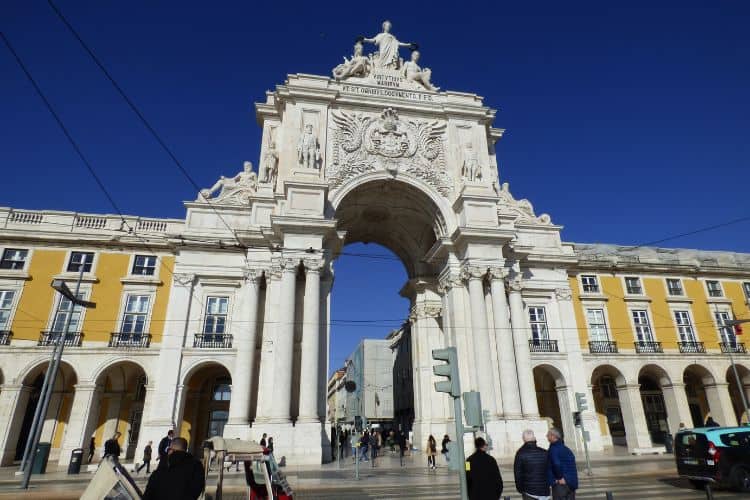
We have found that although Lisbon can be seen in a rush, it is better enjoyed in layers. Spend your first day walking the historic center, riding a tram, and climbing to viewpoints. Save another day for Belém, and keep at least one evening open for fado.
Historic Lisbon: Start in Alfama, where staircases, laundry lines, tiled houses, and church bells make the city feel wonderfully lived in. Wander toward the viewpoints of Santa Luzia and Portas do Sol, then continue up to São Jorge Castle for one of Lisbon’s best panoramas.
Classic Lisbon: Ride Tram 28 early in the morning or late in the day to avoid the worst of the crowds. The route passes through some of Lisbon’s most atmospheric neighborhoods, including Alfama, Baixa, Estrela and Graça.
Belém Day: Visit Jerónimos Monastery and Belém Tower, both part of the UNESCO-listed Monastery of the Hieronymites and Tower of Belém. Add the Monument to the Discoveries and MAAT to your itinerary and definitely don’t miss picking up a warm pastel de nata from Pastéis de Belém.
Food & Culture: Eat your way through Time Out Market, try a traditional tasca, listen to fado in Alfama or Bairro Alto, and leave room for seafood, vinho verde, ginjinha, and far too many custard tarts.
Easy Escapes: If you have more than three days, take the train to Sintra for Pena Palace and forested hills, or head to Cascais for a softer seaside day. Both make excellent day trips from Lisbon.
1. Wander the Streets of Alfama
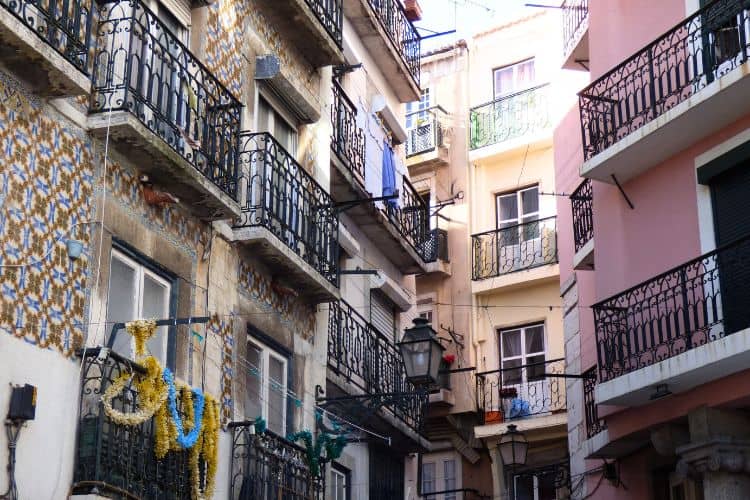
Alfama is the Lisbon many travelers picture before they arrive: narrow lanes, tiled facades, tiny balconies, hidden staircases, and the sound of fado drifting through open windows after dark.
This is Lisbon’s oldest neighborhood, and the best way to experience it is to let yourself get lost. Do not over-plan this part of your day. Start near the river, climb toward the castle, and let the streets lead you through corners you would never find on a map.
What to look for: Miradouro de Santa Luzia, Miradouro das Portas do Sol, Lisbon Cathedral, tiny tile-covered chapels, quiet residential lanes, and evening fado houses.
Personal Tip: Go early if you want photos without crowds. Return at night if you want atmosphere. Alfama feels completely different once the day-trippers leave and the fado houses begin to fill.
2. Ride Tram 28

Image by Sean3810 from Getty Images via Canva
Tram 28 can feel touristy and crowded, but it’s an absolute must to fully experience Lisbon. The old yellow tram rattles through some of Lisbon’s most scenic neighborhoods, squeezing around corners and climbing steep hills.
The route runs between Martim Moniz and Campo de Ourique, passing through Graça, Alfama, Baixa, Chiado, São Bento, and Estrela. It is public transport, not a sightseeing ride, so expect locals, commuters, and plenty of visitors all sharing the same small space.
Best time to go: Early morning is best if you want a seat. Late afternoon can also work, but avoid the middle of the day if you want to avoid the crowds.
Practical Note: Keep your bag in front of you and your phone secure. Like many crowded transport routes in Europe, Tram 28 attracts pickpockets.
Ticket tip: The Lisboa Card includes public transport and entry or discounts for many museums and monuments. It can be useful if you plan to visit several paid attractions in a short period.
3. Explore São Jorge Castle
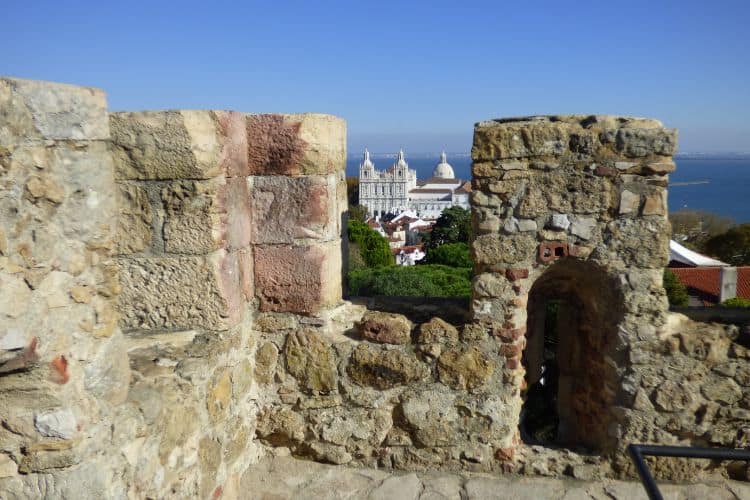
São Jorge Castle sits above Lisbon overlooking terracotta rooftops, church towers, the Tagus River, and the 25 de Abril Bridge stretching toward Almada.
The castle grounds are more about atmosphere and views than furnished rooms. Walk the ramparts, watch the peacocks wander the gardens, and give yourself time to understand how the hilltop shaped Lisbon’s history.
Best time to go: Late afternoon is beautiful, especially when the light softens over the river. Morning is better if you want cooler temperatures and fewer people.
Practical Note: Buy tickets through the official Castelo de São Jorge website or at the monument. The climb is steep, so wear shoes that can handle cobblestones.
Personal Tip: Stop at a market on the way to the castle and pick up some food for a picnic with a view. This turned out to be one of our favorite experiences on our first visit to Lisbon.
4. Spend a Day in Belém
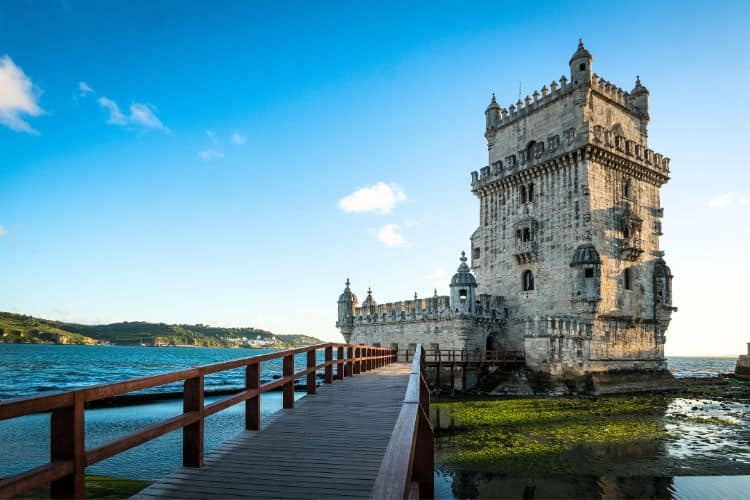
Belém is where Lisbon displays its maritime history. This riverside district is home to some of the city’s most important monuments, along with museums, gardens, and one very famous pastry shop. These are some of Belem’s top sights:
Jerónimos Monastery: This Manueline masterpiece is one of Portugal’s great architectural treasures. The stonework is intricate, symbolic, and beautiful, even if you do not usually seek out religious buildings.
Belém Tower: Built near the Tagus River, the tower is one of Lisbon’s most recognizable landmarks and part of the same UNESCO World Heritage listing as Jerónimos Monastery.
Monument to the Discoveries: This riverside monument honors Portugal’s Age of Discoveries and is worth seeing as part of a Belém walk, even if you only admire it from outside.
Pastéis de Belém: Since 1837, this bakery has been making the original Pastéis de Belém using a recipe associated with the nearby monastery. Yes, there will probably be a line, but trust us, it’s worth the wait.
Personal Tip: You will have serious regrets if you buy only one tart.
Practical Tip: Belém deserves half a day at minimum. Go early for the monuments, then reward yourself with custard tarts and coffee before walking the riverfront.
5. Eat Your Way Through Lisbon
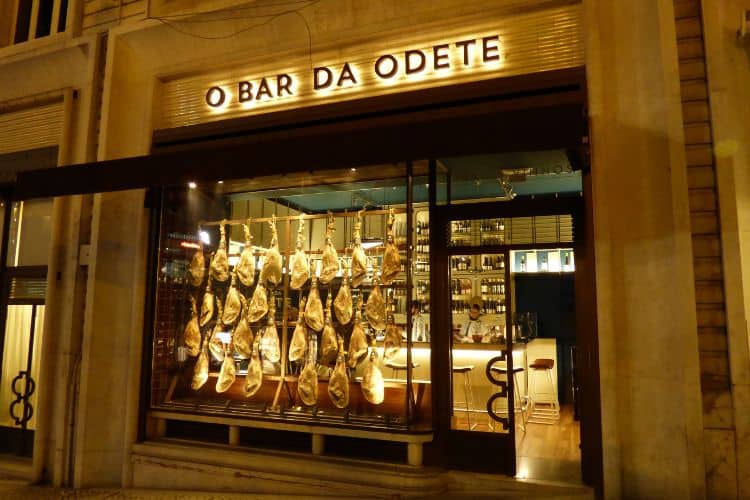
Lisbon is a city for people who plan their day around meals. You can keep it simple with grilled sardines, bifanas, and custard tarts, or go deeper into seafood rice, bacalhau, petiscos, modern Portuguese tasting menus, and tiny neighborhood tascas.
Time Out Market Lisboa: Located in Mercado da Ribeira, Time Out Market brings together restaurants, bars, shops, and communal tables under one roof. It is popular and polished, but it is also practical when you want to taste several Lisbon chefs without crossing the city.
Traditional Tascas: For a more local feel, look for small restaurants serving daily specials. Menus may be handwritten, portions generous, and service direct. This is where simple dishes often shine.
Sweet Stops: Try pastéis de nata beyond Belém too. Manteigaria, Aloma, and neighborhood bakeries all have loyal fans. The fun is choosing your own favorite.
Food Tip: Lunch is often better value than dinner. If a restaurant offers a prato do dia, or dish of the day, it can be one of the easiest ways to eat well without overspending.
6. Listen to Fado

Fado is not background music in Lisbon. It is longing, poetry, guitar, voice, and silence gathered into one room. UNESCO recognizes fado as Intangible Cultural Heritage, and hearing it live is one of the most memorable cultural experiences in the city.
Alfama and Bairro Alto are the classic neighborhoods for fado houses. Some are intimate and traditional, while others are more polished dinner-and-show experiences. Both can be worthwhile if you choose carefully.
How to choose a fado show: Look for places that clearly state whether dinner is included, how long the performance lasts, and whether there is a minimum spend. Smaller rooms usually feel more emotional, but they also book up quickly.
Personal Tip: If you don’t have plans to return to Lisbon, definitely make it a priority to attend a Fado performance. We didn’t go on our first visit and realized on our return that it’s a must. Also, try to seek out places that are not just performing for tourists for a more authentic experience.
Fado Museum: If you want context before an evening performance, visit the Museu do Fado in Alfama. It helps explain the history, instruments, voices, and identity behind the music.
7. Walk Baixa, Chiado, and Bairro Alto
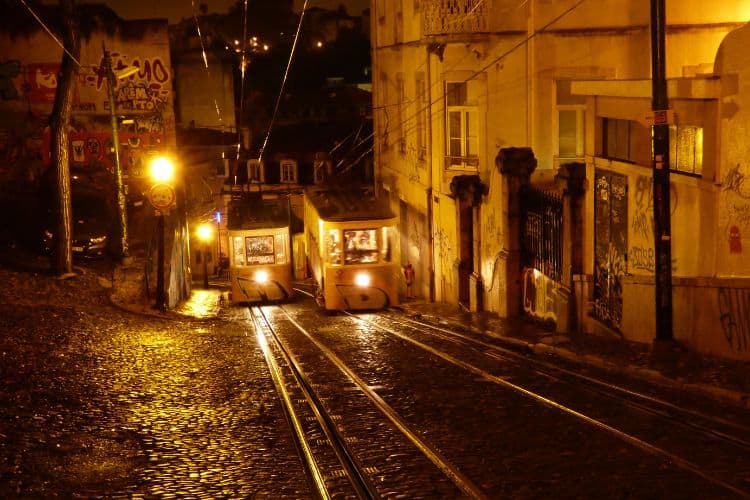
These central neighborhoods give you three different Lisbon moods in one easy walk. Baixa is grand and orderly, Chiado is elegant and literary, and Bairro Alto is sleepy by day but alive at night.
Start at Praça do Comércio, the wide yellow square opening toward the Tagus. Walk through the Arco da Rua Augusta into Baixa, then head up toward Chiado for shops, cafés, theaters, and the ruins of Carmo Convent.
Santa Justa Lift: The Elevador de Santa Justa is one of Lisbon’s most famous lifts, connecting Baixa to the upper streets near Carmo. The line can be long, so consider walking up from behind Carmo Convent for similar views without the wait.
Bairro Alto at Night: Come back after dinner if you want bars, music, and a lively street scene. It is not polished, but it is very Lisbon.
8. Visit MAAT and LX Factory
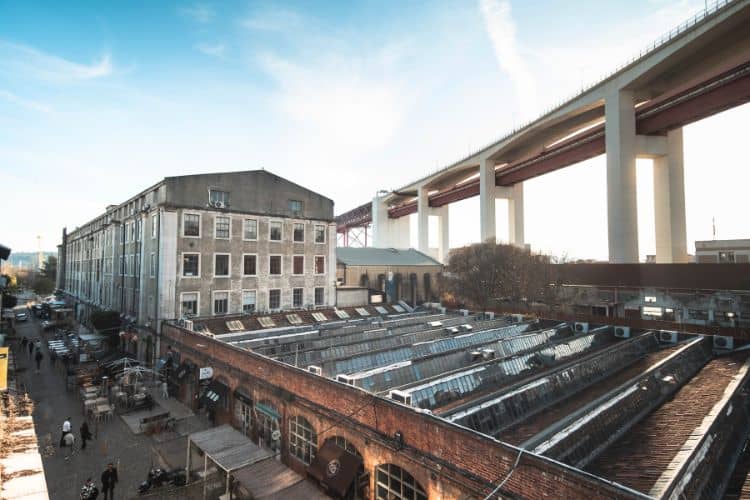
For a more contemporary side of Lisbon, spend part of a day between Belém and Alcântara. The riverfront here feels wider and more modern, with museums, street art, creative spaces, and bridge views.
MAAT: The Museum of Art, Architecture and Technology has become one of Lisbon’s most striking modern buildings. Even if you do not go inside, walk the curved rooftop and take in the river views. Check the official MAAT visitor information for current hours and exhibitions.
LX Factory: Set in a former industrial complex beneath the 25 de Abril Bridge, LX Factory is full of restaurants, design shops, street art, cafés, and the much-photographed Ler Devagar bookstore. It is popular with visitors, but still fun for a relaxed afternoon.
Best pairing: Visit Belém in the morning, MAAT after lunch, and LX Factory later in the afternoon or evening for food and drinks.
9. Explore Parque das Nações and the Oceanarium
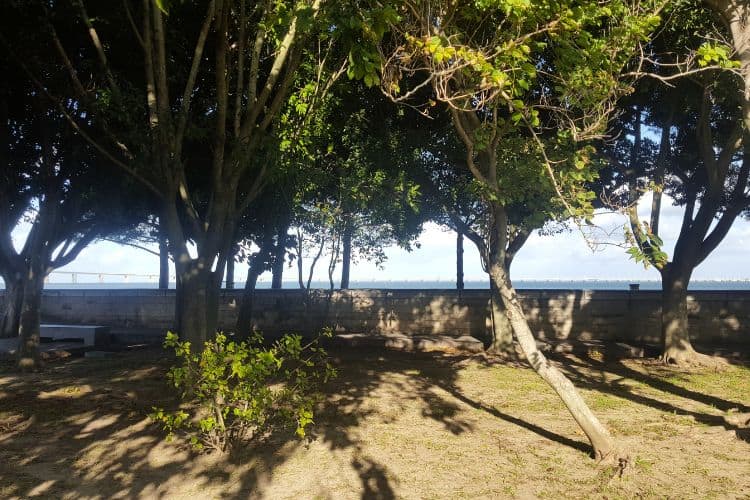
Parque das Nações feels very different from historic Lisbon. Built around the former Expo 98 site, it has wide walkways, modern architecture, cable cars, river views, restaurants, and one of Europe’s best-known aquariums.
Oceanário de Lisboa: The Lisbon Oceanarium is a strong choice for families, rainy days, marine-life lovers, or anyone who wants a break from hills and cobblestones. The central tank is mesmerizing, and the surrounding exhibits are easy to enjoy at a slow pace.
How to get there: Take the metro to Oriente. The station itself is worth a pause, especially if you enjoy modern architecture.
Practical Tip: Check the official Oceanário de Lisboa website for current opening hours and ticket details before you go.
10. Take a Day Trip to Sintra

Sintra is not technically in Lisbon, but it is one of the best things to do if you have an extra day in the capital. Forested hills, romantic palaces, tiled villas, and misty gardens make it feel like a completely different world.
Pena Palace: The colorful hilltop palace is the classic first stop, and timed entry is important. Book through the official Parques de Sintra site where possible.
Quinta da Regaleira: If you love gardens, tunnels, towers, and symbolic architecture, this is one of Sintra’s most memorable stops. The Initiation Well gets busy, but the grounds are still worth exploring.
Getting there: Trains run between Lisbon and Sintra, with many visitors departing from Rossio Station. Check schedules through Comboios de Portugal before your trip.
Personal Tip: Do not try to see every Sintra palace in one day. Choose two main sights, leave room for lunch, and accept that the hills and transport lines will slow you down.
Lisbon Tours Worth Considering
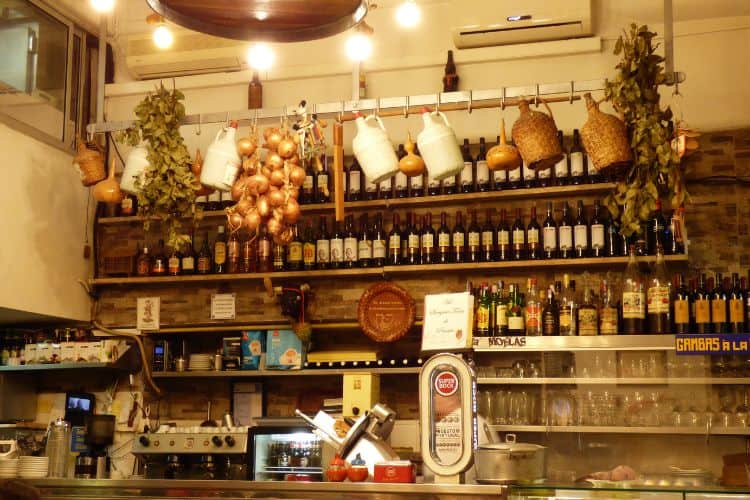
You can explore Lisbon independently, but a good tour can add stories and shortcuts you would miss on your own, especially if you only have a couple of days. This is especially true in Alfama, Belém, and Sintra, where history sits behind almost every tiled wall.
Walking Tours: Choose a small-group walking tour of Alfama, Baixa, and Chiado if you want help understanding Lisbon’s history, the 1755 earthquake, tiled architecture, and neighborhood traditions.
Food Tours: Lisbon food tours are a great way to taste petiscos, bacalhau, wine, cheese, pastries, and ginjinha without guessing where to go. They are especially helpful early in a trip.
Fado Tours: Some evening tours combine dinner, neighborhood history, and a fado performance. Read the details carefully so you know whether it is a true fado house, a staged show, or a restaurant with live music.
Sintra Day Tours: If you do not want to manage trains, buses, timed palace tickets, and hilltop transport, a guided Sintra tour can be worth it. Look for one that includes Pena Palace, Quinta da Regaleira or the Moorish Castle, and enough free time to breathe.
Getting Around Lisbon
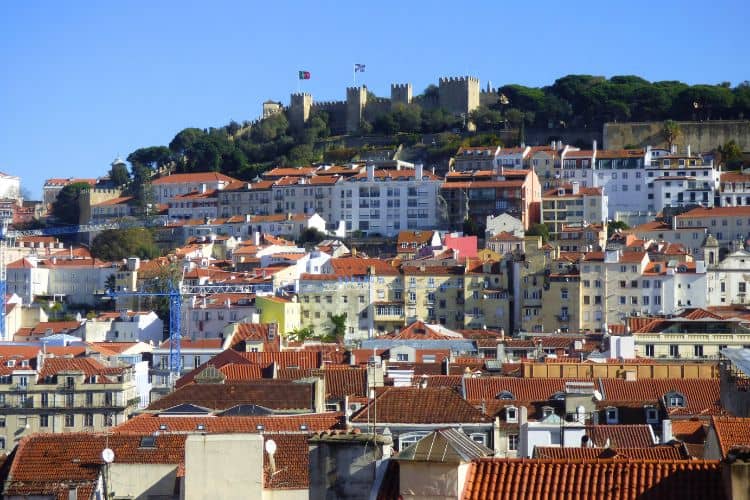
Lisbon is walkable in the sense that many sights are close together. However, it is not always easy walking. Hills, slippery calçada pavement, and summer heat can make short distances feel longer than expected.
Metro: Fast, clean, and useful for the airport, Oriente, Baixa-Chiado, Rossio, and many central areas. The airport metro is one of the easiest ways to reach the city if you are traveling light.
Trams and Funiculars: Historic trams are part transport, part experience. The funiculars help with steep climbs, though some routes may close temporarily for maintenance, so check current updates through Carris.
Walking: Bring shoes with grip. Lisbon’s beautiful stone sidewalks can be slick, especially after rain.
Rideshare and Taxis: Useful at night, for luggage, or when your legs are finished. They are often easier than forcing one more hill into the day.
Public Transport Costs: Lisbon Metro lists a Carris/Metro ticket and 24-hour ticket options on its official fares page. Prices can change, so check Metropolitano de Lisboa before you travel.
Where to Stay in Lisbon
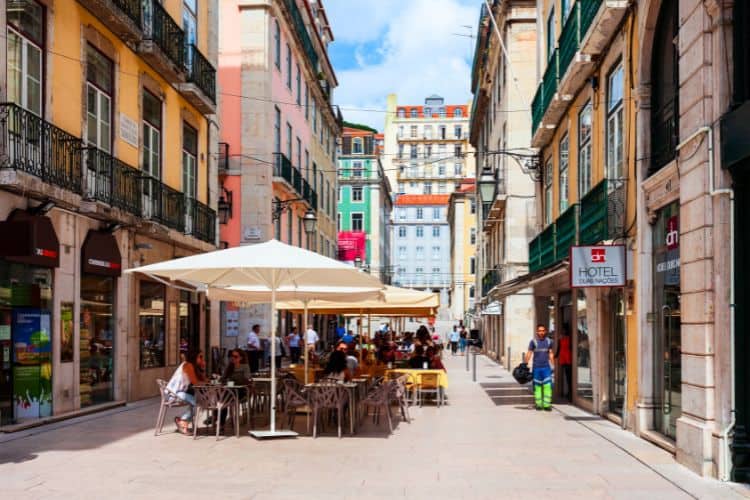
Lisbon’s best neighborhood depends on your travel style. First-timers usually do well in Baixa, Chiado, Avenida da Liberdade, or Alfama. Bairro Alto is fun if nightlife is part of the plan, but it can be noisy. Príncipe Real feels stylish and residential, while Belém works better for slower stays away from the city center.
Luxury & Boutique Hotels
Bairro Alto Hotel: A polished classic in one of Lisbon’s most atmospheric neighborhoods. Best for travelers who want style, walkability, and easy access to Chiado, Bairro Alto, and river views.
Memmo Alfama Hotel: A boutique stay tucked into Alfama with terrace views and a calm, grown-up feel. Great for couples who want historic streets outside the door.
Hotel Avenida Palace: A historic luxury hotel near Rossio Station. This is a strong option if you like classic European hotels and want an easy base for both Lisbon sightseeing and a Sintra train day.
Mid-Range Comfort
Hotel da Baixa: Central, stylish, and convenient for travelers who want to walk to Praça do Comércio, Rossio, Chiado, and the Elevador de Santa Justa area.
LX Boutique Hotel: A good choice near Cais do Sodré, Time Out Market, the riverfront, and nightlife. Expect an urban feel and easy transport connections.
Martinhal Lisbon Chiado: A family-friendly apartment-style option in Chiado. Helpful if you want kitchen facilities, more space, and a central base with children.
Budget & Social Stays
Home Lisbon Hostel: A well-known budget option with a social feel and central location. Good for solo travelers who want to meet people without being far from the main sights.
This Is Lisbon Hostel: A budget stay with a terrace and views. A good fit if you want atmosphere, shared spaces, and a more local hillside setting.
Vacation Rentals: Apartments can be useful for longer stays, but choose carefully. Lisbon has many residential neighborhoods under pressure from short-term rentals, so look for legal registration, respectful house rules, and locations that do not require constant taxis.
Restaurants in Lisbon
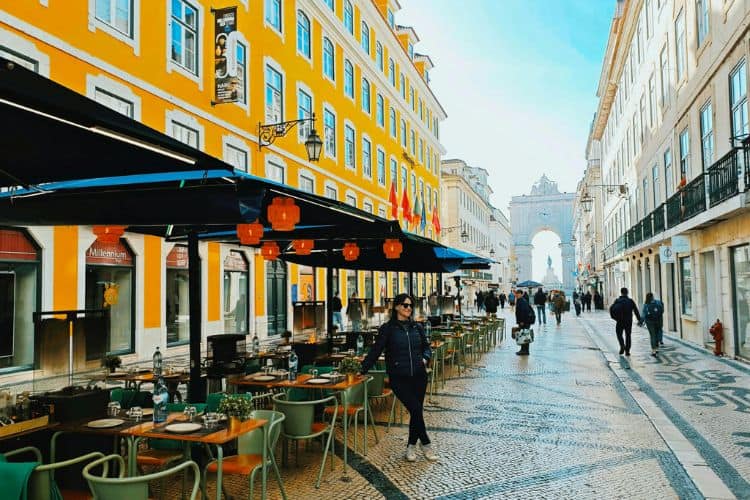
Lisbon’s food scene has room for both simple and special. Eat at least one meal in a traditional tasca, one at a market, one with a river view, and one where you choose the place simply because it smells good from the street.
Breakfast & Pastries
Pastéis de Belém: The original Belém custard tart stop, open since 1837. Go early or be patient with the line.
Manteigaria: A favorite for pastéis de nata in central Lisbon. The tarts are baked throughout the day, so timing often works in your favor.
Markets & Casual Food
Time Out Market Lisboa: Easy, busy, and useful when you want choice. Go outside peak lunch or dinner hours if you want a better chance at a table.
Mercado de Campo de Ourique: Smaller and more neighborhood-focused than Time Out Market, with a good mix of food stalls and local rhythm.
Traditional Portuguese
Zé da Mouraria: Generous plates, traditional dishes, and an old-school Lisbon feel. Best for a hearty lunch rather than a light snack.
Solar dos Presuntos: A Lisbon classic for seafood, meat, and Portuguese comfort food. It is popular for a reason, so reservations help.
Modern Dining
Prado: Seasonal Portuguese ingredients with a modern approach. A good choice if you want a thoughtful meal without formal stiffness.
Taberna da Rua das Flores: Small, lively, and beloved. Arrive early or prepare to wait, as it does not always operate like a standard reservation restaurant.
Street Food & Quick Bites: Look for bifanas, prego sandwiches, roasted chestnuts in cooler months, and ginjinha served from tiny bars near Rossio. Lisbon rewards snack-sized curiosity.
Best Time to Visit Lisbon
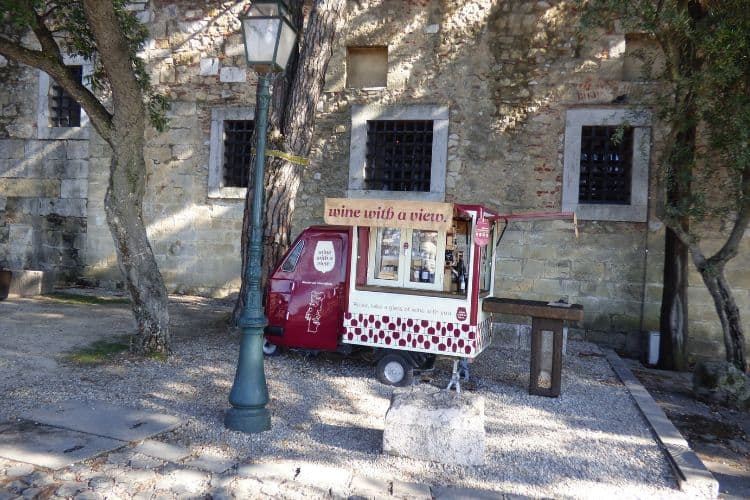
Lisbon is a year-round city, but spring and fall are the easiest seasons for most travelers. April to June and September to October usually bring warm weather, long days, and a better balance of energy and comfort.
Summer: Expect heat, higher prices, and more crowds, especially in Belém, Alfama, and Sintra. Book hotels and major attractions early.
Winter: Lisbon can be a lovely European winter city break, especially if you prefer cooler sightseeing weather and fewer crowds. For more ideas, see our guide to Best Winter City Breaks in Europe.
Shoulder Season: March, April, May, October, and November are especially good if you want walkable temperatures and a slightly slower pace.
How Many Days Do You Need in Lisbon?
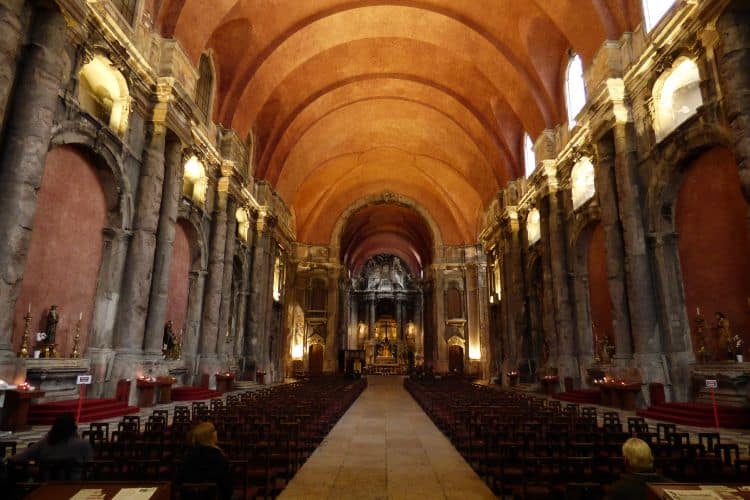
Two Days: Focus on Alfama, Baixa, Chiado, Belém, and one fado evening. You will see the highlights but move quickly.
Three Days: This is the sweet spot for first-timers. You can explore historic Lisbon, spend proper time in Belém, enjoy the food scene, and avoid rushing every viewpoint.
Four to Five Days: Add Sintra, Cascais, more museums, a riverfront afternoon, and time to revisit favorite neighborhoods. This is ideal if Lisbon is your main destination rather than a quick stopover.
Longer Portugal Trip: Pair Lisbon with Porto, the Douro Valley, the Algarve, or a river cruise. Our experience with a Douro River cruise in Portugal started with time in Lisbon and made us appreciate how well the city works as a gateway to the rest of the country.
Lisbon Travel Tips
- Wear good shoes: Lisbon’s hills and tiled sidewalks are beautiful but can be slippery.
- Book Sintra and major sights early: Pena Palace, Jerónimos Monastery, and popular restaurants can fill quickly.
- Carry a light layer: River breezes and evening temperatures can surprise you, even after a warm day.
- Watch your belongings on trams: Crowded routes are the main place to be extra careful.
- Do not over-schedule: Lisbon is best with breathing room. Leave time for coffee, viewpoints, and streets that pull you off course.
- Check official sites: Opening hours, transport routes, and monument rules can change, especially around holidays and maintenance work.
Final Thoughts on the Best Things to Do in Lisbon
Lisbon is not a city you simply check off. It is a city you feel in fragments: the echo of fado in Alfama, the first bite of a warm custard tart, the river turning silver at sunset, the clatter of Tram 28, the blue-and-white tiles catching morning light.
See the big sights, of course. Visit Belém, ride the tram, climb to the castle, and make time for Sintra if you can. But leave space for the quieter Lisbon too: a backstreet lunch, a slow viewpoint, a second coffee, a neighborhood you did not mean to find.
Travel deeper, not faster. Live well. Dream big. Discover more.

Born in England, Sarah developed her wanderlust at a young age as she traveled around Europe with her parents. As a young adult she spent every penny she could on experiences as opposed to possessions. Eventually she found a way to earn a living doing what she loved: traveling, writing and capturing images of the wondrous world we live in. When not on the go Sarah enjoys time in her “sometimes home” of Vancouver.